
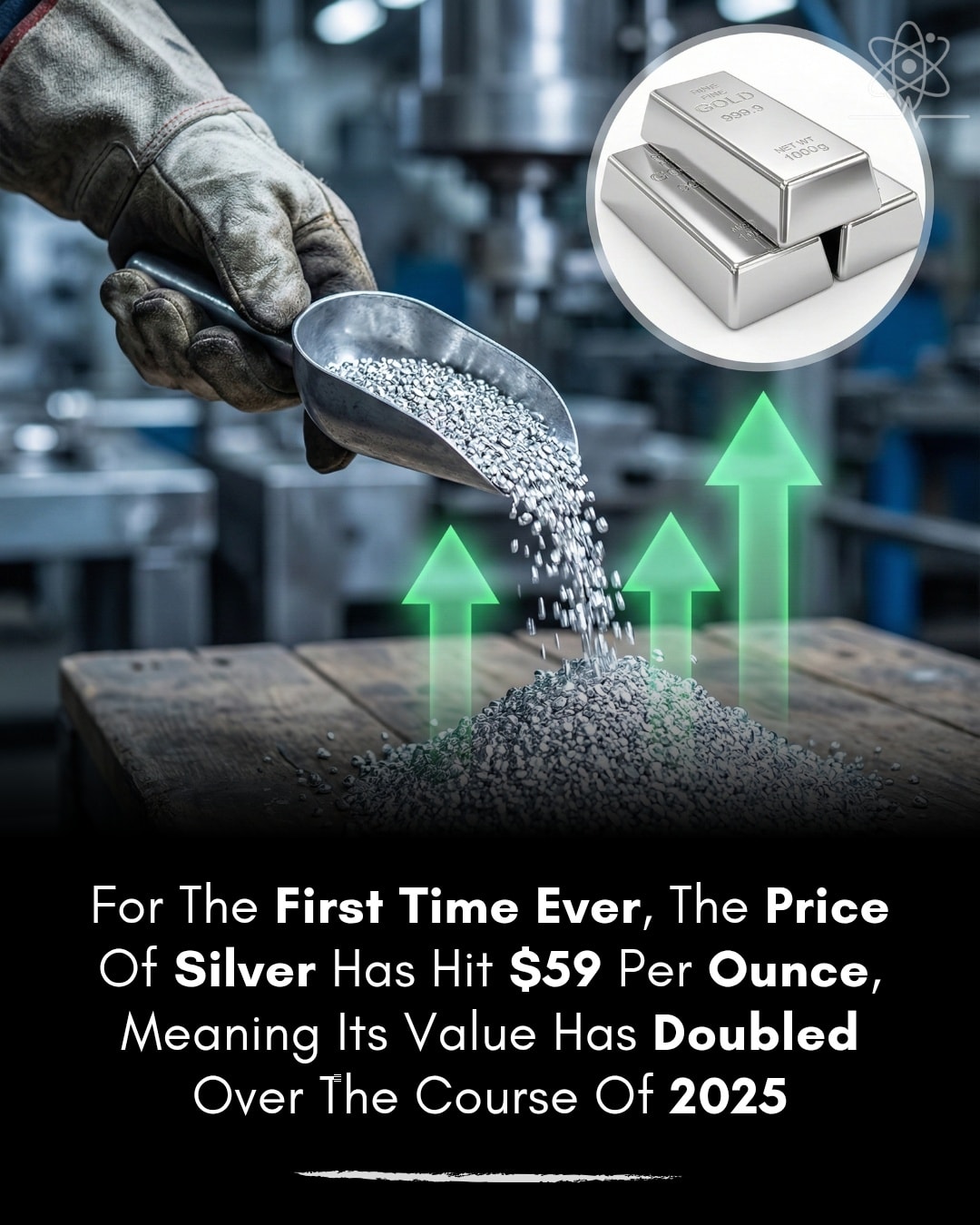
The historic rise of silver to $59 per ounce in late 2025 marks a significant shift in the global commodities market
The historic rise of silver to $59 per ounce in late 2025 marks a significant shift in the global commodities market, driven primarily by an acute supply-demand deficit.
Unlike gold, which is largely an investment asset, silver is a critical industrial component.
The aggressive expansion of green energy infrastructure—specifically photovoltaic solar panels and electric vehicle batteries—has consumed a vast portion of the annual mining supply.
In 2025 alone, industrial offtake outpaced global production, draining vault inventories in London and Shanghai to multi-decade lows.
This physical scarcity has been compounded by macroeconomic tailwinds. The weakening of the US Dollar and interest rate cuts by the Federal Reserve in late 2025 fueled a flight to hard assets.
Investors, sensing that the industrial squeeze was not transitory, piled into silver-backed ETFs, creating a feedback loop that pushed prices vertically.
This “short squeeze” forced industrial buyers to pay significant premiums to secure immediate delivery of the metal for manufacturing, decoupling the physical price from paper futures.
The doubling of silver’s value in a single year highlights its unique dual status as both a monetary metal and an industrial necessity.
While previous highs in 1980 and 2011 were largely driven by speculation, the 2025 rally is underpinned by fundamental consumption.
Analysts suggest that this breakout could signal a long-term repricing of the metal, as the world transitions away from fossil fuels and relies more heavily on silver-intensive technologies.